


Effective project coordination depends on how well teams manage assignments, deadlines, and deliverables. Task tracking systems have become essential tools for businesses that want to streamline office productivity and keep every project on schedule. Whether you run a startup, lead an agency, or manage cross-functional teams, implementing the right system transforms how your organization plans, executes, and delivers work.

In this article, we explore how these systems improve project coordination, what features matter most, and how to select the best solution for your team’s workflow.
Why Task Tracking Systems Matter for Project Coordination
Project coordination involves managing multiple moving parts simultaneously. Teams juggle deadlines, resource allocation, milestone tracking, and stakeholder communication every single day. Without a centralized system, important tasks slip through the cracks, and productivity suffers.
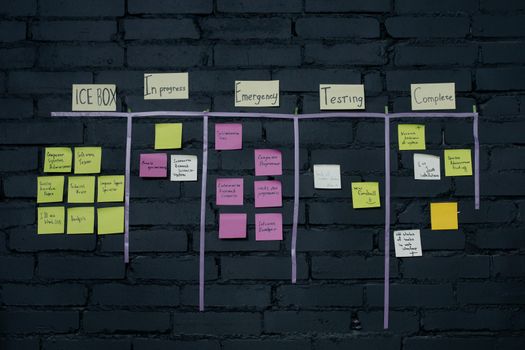
Task tracking systems solve this problem by providing a single source of truth. Every team member sees what needs to be done, who owns each assignment, and when deliverables are due. This transparency eliminates confusion and reduces the back-and-forth communication that slows projects down.
The Business Value of Centralized Task Management
Centralized task management delivers measurable benefits across your organization. When everyone works from the same platform, project managers gain real-time visibility into progress, bottlenecks, and resource utilization.
Consider a marketing agency managing five client campaigns simultaneously. Without a centralized system, the project manager spends hours each week chasing updates through emails, chat messages, and spreadsheets. With a dedicated tracking platform, that same manager opens a single dashboard and instantly sees the status of every deliverable across all campaigns.
- Reduced miscommunication: Team members access the same information, eliminating conflicting updates.
- Faster decision-making: Project leads identify delays early and reallocate resources before deadlines are missed.
- Improved accountability: Every task has a clear owner, due date, and priority level.
- Simplified reporting: Stakeholders receive accurate progress reports without manual data gathering.
- Scalable workflows: As your team grows, the system adapts without creating chaos.
Therefore, investing in centralized task management pays dividends in both efficiency and team morale.
How Task Tracking Systems Support Cross-Functional Collaboration
Cross-functional collaboration is one of the biggest challenges in project coordination. Design teams, developers, content creators, and sales teams often work in silos. A robust tracking system bridges these gaps by connecting workflows across departments.
For example, a software startup launching a new product needs coordination between engineering, marketing, and customer support. Each department has its own deliverables, but they all depend on each other. When engineering delays a feature release, marketing needs to adjust its campaign timeline, and support needs to update training materials. A shared tracking platform makes these dependencies visible and manageable.
Additionally, cross-functional visibility fosters a culture of collaboration. Team members understand how their work impacts others, which encourages proactive communication and mutual support. Maintaining organized records of project decisions, deliverables, and timelines is equally important, and following project documentation management best practices ensures nothing gets lost between teams.
Key Features to Look for in Task Tracking Systems
Not all tracking tools are created equal. The best solutions for project coordination include features that go beyond simple to-do lists. Here is what your team should prioritize when evaluating options.
Project Scheduling and Milestone Tracking
Effective project scheduling requires more than setting due dates. Your system should support milestone tracking, timeline views, and dependency mapping. These features help project managers build realistic schedules and monitor progress against key checkpoints.
Milestones break large projects into manageable phases. When your team completes a milestone, everyone sees the progress, which builds momentum and keeps motivation high. Meanwhile, dependency mapping ensures that tasks execute in the correct order, preventing downstream delays.
- Gantt chart views for visual timeline management
- Automated reminders for upcoming deadlines and overdue tasks
- Milestone dashboards that highlight project phase completion
- Dependency linking so blocked tasks are immediately flagged
Platforms like Asana offer robust scheduling and milestone features that scale well for small businesses and growing teams.
Resource Coordination and Workload Management
Resource coordination is critical for preventing burnout and ensuring balanced workloads. The best tracking tools include workload views that show how many tasks each team member handles at any given time.
A small business owner managing a team of eight, for instance, can use workload management to spot when one team member is overloaded while another has capacity. Redistributing tasks takes minutes instead of hours, and the team maintains a sustainable pace throughout the project lifecycle.
- Workload heatmaps that display individual capacity
- Drag-and-drop reassignment for quick adjustments
- Time tracking integration for accurate effort measurement
- Custom fields to tag tasks by skill requirements or priority
However, even the best features only deliver value when teams actually adopt them. Choose a tool with an intuitive interface that requires minimal training.
Implementing a Task Tracking System for Your Team
Selecting the right platform is only the first step. Successful implementation requires thoughtful planning, clear guidelines, and ongoing optimization. Here is a practical roadmap for getting your team up and running.
Step-by-Step Implementation Process
Rolling out a new system works best when you follow a structured approach. Rushing the process leads to low adoption and frustrated team members.
- Audit your current workflow: Document how your team currently manages tasks, identifies bottlenecks, and communicates progress.
- Define your requirements: List must-have features based on your project coordination needs, team size, and budget.
- Select and configure the platform: Set up project templates, custom fields, notification preferences, and user permissions.
- Migrate existing tasks: Transfer active projects into the new system with accurate deadlines, owners, and priority levels.
- Train your team: Conduct hands-on training sessions and create a quick-reference guide for daily use.
- Establish conventions: Define naming standards, status labels, and update frequency so everyone uses the system consistently.
- Review and optimize: After 30 days, gather feedback and adjust workflows based on what your team has learned.
Also, designate a system champion on your team. This person answers questions, enforces conventions, and ensures the platform stays organized as projects evolve.
Common Implementation Mistakes to Avoid
Many teams invest in powerful tracking tools but fail to realize their full potential. Here are the most common pitfalls and how to avoid them.
- Over-complicating workflows: Start simple. Add complexity only when your team has mastered the basics.
- Ignoring team feedback: If people find the system cumbersome, they will revert to old habits. Listen and adapt.
- Skipping regular maintenance: Archive completed projects, remove inactive users, and clean up outdated templates quarterly.
- Using the tool in isolation: Integrate your tracking system with communication tools, file storage, and calendars for maximum impact.
Finally, remember that the goal is not to track tasks for the sake of tracking. The goal is to improve project execution and deliver results more efficiently. Businesses looking to strengthen the coordination structures around their projects can explore how project meeting coordination tips complement task tracking for more consistent delivery outcomes.
Frequently Asked Questions
What are task tracking systems, and how do they improve productivity?
Task tracking systems are software platforms that help teams organize, assign, monitor, and complete work. They improve productivity by providing visibility into project progress, eliminating duplicate efforts, and ensuring deadlines are met consistently. For project coordination, they serve as the operational backbone that connects planning to execution.
How do I choose the right tracking tool for my small business?
Start by identifying your core needs. Consider your team size, the complexity of your projects, and your budget. Look for platforms that offer intuitive interfaces, strong collaboration features, and integration with the tools you already use. Most leading platforms offer free trials, so test two or three options before committing.
Can task tracking systems replace a project manager?
No. These systems are tools that support project managers, not replace them. A tracking platform handles the organizational mechanics of workflow management, but human judgment is still essential for strategic decisions, stakeholder relationships, and team leadership. The best results come when skilled coordinators use powerful tools effectively.
Conclusion
Task tracking systems are indispensable for teams that take project coordination seriously. They bring structure to complex workflows, enhance cross-functional collaboration, and give leaders the visibility they need to make informed decisions. By selecting the right platform and implementing it thoughtfully, your business can achieve streamlined productivity and deliver projects with greater consistency and confidence.
Start by auditing your current workflow, explore available options, and commit to a system that grows with your team. For businesses seeking to build operations that scale alongside increasing project demands, this guide on scalable SME operations for sustainable growth provides a comprehensive framework. The investment in organized, transparent project coordination will pay off in every deliverable you ship.
Ready to simplify your workload?
Execierge offers flexible admin support tailored to your needs.

COO of Execierge